Pre-war car restoration guides is your gateway to exploring the fascinating world of vintage automobiles, a realm where history and craftsmanship intersect.
These guides not only celebrate the rich legacy of pre-war vehicles but also provide essential insights into their restoration. With a blend of technical advice and personal anecdotes, enthusiasts and newcomers alike can discover the intricacies of bringing these classic machines back to life, ensuring that their stories continue to be told on the open road.
Understanding Pre-War Cars
Pre-war cars hold a cherished place in automotive history, representing a time when craftsmanship and design took center stage. These vehicles, produced before World War II, are not only a testament to engineering innovation but also an embodiment of cultural and social evolution in the early 20th century.Common characteristics of pre-war cars include their distinct body styles, often featuring flowing lines and ornate detailing that reflect the era’s artistic movements.
Materials such as wood and metal were widely used, with many cars showcasing luxurious interiors adorned with leather and chrome. Pre-war vehicles available for restoration encompass a wide range of types, including classic sedans, roadsters, and even grand touring cars, each with its unique charm and historical significance.
Restoration Process Overview
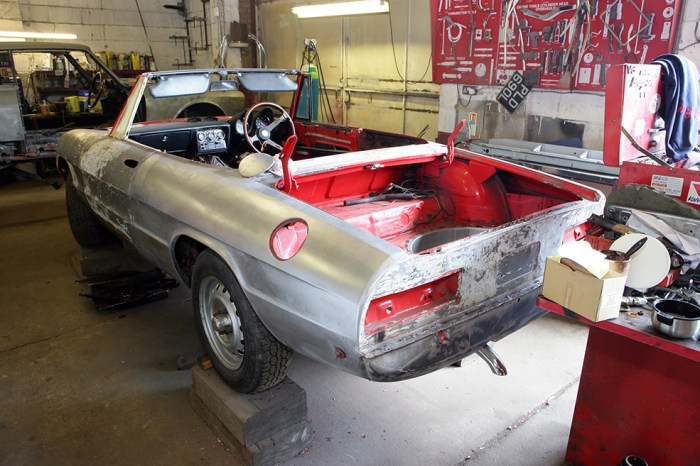
Restoring a pre-war car is a rewarding endeavor that involves several key steps, ranging from initial assessment to final detailing. The restoration process typically begins with a thorough evaluation of the vehicle’s condition, followed by disassembly, where parts are carefully removed for inspection and restoration.Key techniques employed in restoration include metalworking, painting, and upholstery repair. These skills are essential for returning the vehicle to its former glory.
A typical pre-war car restoration project can take anywhere from several months to a few years, depending on the car’s condition and the extent of work required.
Essential Tools and Equipment
To effectively restore a pre-war car, a variety of tools and equipment are essential. The necessary tools often include basic hand tools such as wrenches, screwdrivers, and pliers, as well as specialty tools like body hammers and dollies for metal shaping.Specialized equipment may also be needed, including welding machines, paint sprayers, and sandblasting equipment for surface preparation. Setting up a restoration workspace requires careful organization; a checklist might include:
- Basic hand tools (wrenches, screwdrivers, pliers)
- Power tools (drill, grinder, sander)
- Welding equipment
- Paint sprayer
- Safety gear (gloves, goggles, masks)
Buying Pre-War Cars
When purchasing a pre-war vehicle, several factors must be considered to ensure a wise investment. Buyers should assess the rarity, historical significance, and condition of the vehicle before making a decision.Evaluating the condition of a pre-war car involves looking at the bodywork, engine, and interior components. A thorough inspection can help identify potential restoration challenges. Popular platforms for buying pre-war vehicles include classic car auctions, online marketplaces, and specialized dealerships, where enthusiasts can find a diverse range of options.
Car Detailing Techniques
Effective detailing methods play a vital role in preserving the integrity of pre-war cars. Techniques may include careful washing, polishing, and applying protective coatings to maintain the car’s exterior.Cleaning and maintaining vintage paintwork requires gentle products and techniques to avoid damaging the original finish. Restoring interior components and upholstery is equally important, often involving reupholstering seats and refurbishing wood trim to ensure the vehicle’s interior matches its historical charm.
Customization Options
Customization choices for pre-war cars can enhance their appeal while reflecting the owner’s personality. Popular options may include upgrading the engine for better performance, modifying the suspension for improved handling, or adding modern conveniences while maintaining a vintage look.Striking a balance between authenticity and personalization is key in restorations. Unique customizations, such as custom paint jobs or bespoke interiors, can elevate a classic vehicle while respecting its heritage.
Classic Car Communities
Joining classic car clubs and forums offers numerous benefits for enthusiasts, including networking opportunities and access to valuable restoration advice. Engaging with fellow collectors can provide insights into best practices and shared experiences.Participation in events such as car shows, rallies, and meet-ups enables enthusiasts to connect with like-minded individuals, fostering a sense of community and shared passion for classic automobiles.
Hybrid and Energy-Efficient Upgrades
Converting pre-war cars to hybrid systems is becoming increasingly feasible and can significantly enhance fuel efficiency while reducing emissions. However, it’s essential to weigh the pros and cons of such upgrades against the vehicle’s historical value.Successful hybrid restorations, such as the conversion of classic models with modern electric drivetrains, demonstrate the possibilities of blending vintage aesthetics with contemporary technology while maintaining performance and sustainability.
Mobile Audio and Video Installation
Integrating modern audio systems into pre-war cars can greatly enhance the driving experience without compromising the vehicle’s classic appeal. Options include installing discreet speakers and modern receivers designed to fit seamlessly into vintage interiors.Installation tips for mobile audio and video equipment emphasize careful placement and minimal alteration of original components, preserving the car’s value while allowing for enhanced entertainment options.
Maintenance and Repairs
Pre-war car owners often face common maintenance issues, such as rust, mechanical failures, and electrical problems. Understanding these challenges is crucial for maintaining the vehicle’s operational integrity.Repair techniques unique to vintage vehicles may involve specialized skills, such as fabricating replacement parts or sourcing original components. Establishing a regular maintenance schedule, including oil changes and inspections, keeps pre-war cars in excellent condition.
Auctions, Selling, and Buying Strategies
Successfully selling a pre-war car at auction requires strategic planning, such as setting realistic reserves and presenting the vehicle in its best light. Effective marketing can attract potential buyers and enhance the sale price.Bidding on pre-war vehicles involves understanding market trends and being aware of common pitfalls, such as overbidding or failing to conduct thorough inspections prior to purchase. Insights into market value trends can guide both buyers and sellers in making informed decisions.
Automotive Trends and Innovations
The automotive restoration industry is witnessing exciting trends, including the rise of electric vehicle conversions and enhanced restoration techniques utilizing modern technology. These innovations are reshaping how classic cars are preserved and enjoyed.Comparing traditional restoration methods with modern technologies reveals a landscape where craftsmanship meets innovation, offering enthusiasts new ways to appreciate classic automobiles in an evolving automotive landscape.
Final Wrap-Up
In conclusion, pre-war car restoration is not just about reviving old vehicles; it’s about preserving a piece of automotive history. As you delve into these guides, you’ll find that each restoration journey is unique, filled with challenges and triumphs that reflect the passion of its owner. Whether you’re looking to restore a family heirloom or simply engage with a classic, these insights will help you appreciate and navigate the world of pre-war car restoration like a pro.
Commonly Asked Questions
What are the common challenges in restoring pre-war cars?
Restoring pre-war cars often involves dealing with outdated technology, sourcing rare parts, and ensuring authenticity, which can be challenging for many restorers.
How can I find parts for my pre-war car?
Parts can often be sourced through specialized suppliers, vintage car shows, online marketplaces, and classic car clubs dedicated to specific makes and models.
Is it worth it to restore a pre-war car?
While restoration can be costly and time-consuming, many enthusiasts find immense satisfaction and value in preserving a piece of automotive history.
What skills are needed for pre-war car restoration?
A mix of mechanical skills, bodywork knowledge, and an understanding of classic car systems are essential for a successful restoration project.
Are there any resources for beginners in car restoration?
Absolutely! Many books, online forums, and local car clubs provide valuable resources, tips, and community support for those new to car restoration.