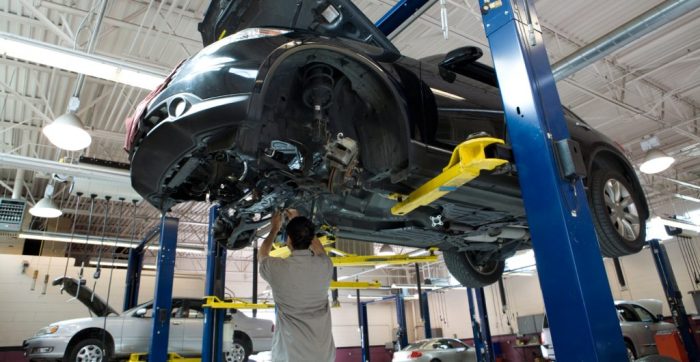
With the growing emphasis on sustainability, eco-lubricants have emerged as a game-changer in fleet van maintenance. These environmentally friendly alternatives not only help preserve the planet but also enhance the performance and longevity of your fleet vehicles.
By switching to eco-lubricants, fleet managers can significantly reduce their environmental footprint while enjoying benefits such as improved fuel efficiency and engine protection. In this overview, we’ll explore the advantages and practical applications of eco-lubricants in maintaining fleet vans, alongside their impact on traditional maintenance practices.
Eco-Lubricants in Fleet Van Maintenance
Using eco-lubricants in fleet van maintenance offers a range of benefits that go beyond just improving vehicle performance. These lubricants are designed to be environmentally friendly while still providing the necessary protection and efficiency for fleet operations. By adopting eco-lubricants, companies can not only enhance their operational efficiency but also contribute to a more sustainable future.The environmental impact of traditional lubricants is significant.
Conventional lubricants often contain petrochemicals that can leak into the environment, leading to soil and water contamination. In contrast, eco-lubricants are crafted from renewable resources and are biodegradable, resulting in minimal environmental harm. Research has shown that switching to eco-lubricants can reduce carbon emissions and improve the overall sustainability of fleet operations.
Benefits of Using Eco-Lubricants
The advantages of eco-lubricants are numerous, making them an attractive choice for fleet maintenance. Here are some key benefits:
- Improved biodegradability reduces environmental impact.
- Lower toxicity levels result in safer handling and disposal.
- Enhanced lubrication properties can extend engine life.
- Potential cost savings through increased fuel efficiency.
- Alignment with corporate sustainability goals.
Environmental Impact Comparison
When comparing traditional lubricants to eco-lubricants, the differences in environmental impact are striking. Traditional lubricants can contain harmful additives that pose risks during spills, while eco-lubricants are derived from natural sources, significantly reducing their toxicity.
Examples of Eco-Lubricant Brands
Several brands have emerged as leaders in the eco-lubricant market, offering products specifically designed for fleet vehicles. Notable examples include:
- BioBlend: Known for their comprehensive range of biodegradable lubricants.
- EnviroLogic: Specializes in eco-friendly motor oils and greases.
- Green Earth Technologies: Offers a variety of lubricants made from renewable resources.
Automotive Buying and Selling Auctions for Eco-Friendly Vehicles
Buying and selling eco-friendly vehicles at auctions has gained popularity, especially among businesses focused on sustainability. The auction process can be an efficient way to acquire vehicles that meet eco-friendly standards, with a diverse selection available.The process of purchasing eco-friendly vehicles at auctions involves several steps. Bidders should research the auction house and verify the vehicle’s eco-friendly credentials, including its emissions rating and compliance with environmental standards.
Bidders can often find vehicles that have been maintained with eco-lubricants, which adds to their sustainability profile.
Tips for Selling Fleet Vans with Eco-Lubricants
When it comes to selling fleet vans that have utilized eco-lubricants, there are key strategies that can enhance the sale:
- Highlight the sustainability benefits of the vehicle in your listing.
- Provide maintenance records that demonstrate the use of eco-lubricants.
- Market the vehicle’s fuel efficiency and lower environmental impact.
Popular Auction Platforms for Eco-Friendly Vehicles
Several auction platforms specialize in eco-friendly vehicles, making it easier for buyers to find suitable options. Some of the most recognized include:
- Copart: Offers a wide range of vehicles, including those that meet eco-friendly specifications.
- Manheim: Known for its focus on sustainable vehicles and practices.
- eBay Motors: Features a dedicated section for eco-friendly vehicles.
Car Detailing and Customization with Eco-Friendly Products
Car detailing and customization for fleet vans can also embrace eco-friendly practices by using sustainable products. This not only enhances the appearance of vehicles but also aligns with environmentally conscious operations.Guidelines for detailing fleet vans with eco-friendly products include opting for biodegradable cleaners and ensuring that any materials used for customization are sustainably sourced. This approach minimizes environmental impact while maintaining high standards of cleanliness and aesthetics.
Eco-Friendly Detailing Supplies
When detailing fleet vans, selecting the right eco-friendly products is crucial. Here are some recommended supplies:
- Biodegradable car wash soap.
- Natural fiber detailing brushes.
- Eco-friendly waxes and sealants.
Classic Cars and Eco-Lubricants
Maintaining classic cars can present unique challenges, but using eco-lubricants can significantly benefit their longevity and performance. Many classic car owners are increasingly aware of the advantages of eco-friendly maintenance solutions.Eco-lubricants are compatible with older vehicles, providing a safer and greener alternative to traditional options. They help reduce wear and tear on engine components, which is particularly beneficial for classic models that may not have modern materials.
Classic Car Models Benefiting from Eco-Friendly Maintenance
Several classic car models can benefit from the adoption of eco-lubricants. Examples include:
- Ford Mustang (1960s): An iconic model that can perform better with eco-lubricants.
- Chevrolet Camaro (1970s): Enhanced lubrication helps maintain engine integrity.
- Volkswagen Beetle: Known for its simplicity, this model can benefit from eco-friendly solutions.
Hybrid and Energy-Efficient Vehicle Maintenance
The role of eco-lubricants in the maintenance of hybrid vehicles is pivotal for their efficiency and longevity. These lubricants contribute to smoother operation and can enhance energy efficiency metrics.Hybrid vehicles often have specific lubricant requirements, and choosing eco-lubricants can help optimize performance while reducing environmental impact. The selection of lubricants plays a critical role in energy efficiency, with eco-lubricants typically offering better fuel economy.
Comparison of Lubricants for Hybrid Vehicles
A comparison between traditional lubricants and eco-lubricants for hybrid vehicles reveals several advantages of the latter:
- Eco-lubricants tend to have better thermal stability.
- They often reduce friction more effectively than traditional options.
- Lower emissions are a key benefit when using eco-friendly lubricants.
Mobile Audio Video Integration in Eco-Friendly Fleet Vans
Integrating mobile audio and video systems in eco-friendly fleet vans is becoming increasingly popular. This process not only enhances the user experience but can also be done in a way that complements sustainable practices.Steps to integrate these systems include selecting energy-efficient components that align with eco-lubricant use. By choosing systems that require less power, fleet operators can ensure their vehicles remain energy-efficient.
Examples of Eco-Friendly Audio and Video Systems
Several eco-friendly audio and video systems are available for fleet use. Some notable options include:
- Solar-powered audio systems that minimize energy consumption.
- Bluetooth systems that reduce the need for wiring and components.
- Energy-efficient LED screens for video displays.
Automotive Repairs with Eco-Lubricants
Employing eco-lubricants during automotive repairs can lead to better outcomes for fleet maintenance. Best practices include understanding the types of eco-lubricants available and their specific applications for different repairs.Changing lubricants in fleet vans should be done according to manufacturer guidelines, ensuring that eco-lubricants are used appropriately. This practice can help mitigate common repair issues and enhance vehicle reliability.
Common Repair Issues Addressed by Eco-Lubricants
Using eco-lubricants can alleviate several common repair issues, including:
- Engine wear due to better lubrication properties.
- Overheating by providing superior heat dissipation.
- Contamination from traditional oil leaks, which eco-lubricants are designed to minimize.
SUVs, Trucks, and Vans: Eco-Lubricant Applications
The application of eco-lubricants varies across SUVs, trucks, and vans. Each vehicle type can benefit uniquely from the enhanced properties of these lubricants.The specific benefits of using eco-lubricants in larger vehicles include reduced emissions, better fuel efficiency, and improved overall performance. Fleet operators can experience significant advantages by transitioning to eco-lubricants.
Case Studies of Successful Fleet Transitions
Several fleets have successfully transitioned to using eco-lubricants, illustrating the tangible benefits of this choice. For example:
- A delivery fleet reported a 10% increase in fuel efficiency after switching to eco-lubricants.
- A municipal fleet noted a significant reduction in maintenance costs and vehicle downtime.
- A construction fleet achieved lower emissions and improved compliance with environmental regulations.
Closing Notes
In conclusion, eco-lubricant fleet van maintenance represents a vital step toward greener transportation solutions. By adopting these products, fleet managers can ensure optimal vehicle performance while contributing positively to the environment. Embracing eco-lubricants is not just a trend but a commitment to sustainable practices that can lead to long-term benefits for both businesses and the planet.
FAQ Resource
What are eco-lubricants?
Eco-lubricants are biodegradable lubricants made from renewable resources, designed to minimize environmental impact while providing effective lubrication.
How do eco-lubricants benefit fleet maintenance?
They enhance engine performance, reduce wear and tear, and contribute to lower emissions, ultimately leading to cost savings in maintenance and fuel.
Are eco-lubricants compatible with all fleet vehicles?
Most eco-lubricants are compatible with a wide range of vehicles, but it’s essential to check manufacturer specifications for specific models.
Can switching to eco-lubricants affect warranty coverage?
Using eco-lubricants typically does not void warranties, but it’s crucial to confirm with the vehicle manufacturer to avoid potential issues.
How often should eco-lubricants be changed in fleet vans?
The change interval for eco-lubricants is generally similar to conventional lubricants, based on vehicle usage and manufacturer recommendations.