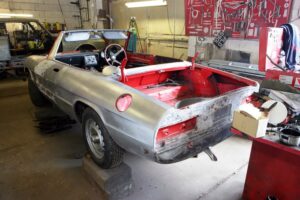
Metal vs composite trim restoration is a fascinating topic that dives deep into the nuances of automotive aesthetics and functionality. As car enthusiasts, we often find ourselves torn between the appeal of classic metal trims and the modern efficiency of composite materials. Understanding the strengths and weaknesses of both types can significantly enhance restoration projects, ensuring that vehicles not only look great but also stand the test of time.
This exploration will guide you through the restoration techniques, cost comparisons, and even the environmental implications associated with each material. By examining everything from aesthetic differences to maintenance requirements, you’ll be well-equipped to make informed decisions about your vehicle’s trim restoration whether it’s for a classic car or a modern hybrid.
Comparison of Metal and Composite Trim Restoration
When it comes to automotive restoration, the choice between metal and composite trim plays a significant role in the outcome of any project. Each material brings its own set of advantages and challenges, impacting the overall appeal and durability of a vehicle. Understanding these differences is essential for car enthusiasts and restorers alike.Metal trim has long been celebrated for its aesthetic charm and durability.
Its shiny finish and classic appeal can significantly enhance a vehicle’s overall look. On the other hand, composite trim, often made from plastics or newer materials, offers flexibility and lower weight, which can be advantageous for modern vehicles. However, it may lack the timeless elegance associated with metal trims.Durability and maintenance differ notably between the two. Metal trim, while robust, can be prone to rust and corrosion over time, requiring regular upkeep.
Composite trim, while generally resistant to environmental damage, can suffer from fading and scratches, which necessitate careful cleaning and occasional restoration.
Techniques for Restoring Metal Trim
Restoring metal trim on classic cars involves a precise and thorough approach. The following steps Artikel an effective method for bringing metal trim back to its former glory:
1. Assessment
Inspect the trim for damage, rust, or corrosion.
2. Cleaning
Use a degreaser to remove dirt and grime.
3. Sanding
Gently sand the surface with fine-grit sandpaper to smooth out any imperfections.
4. Polishing
Apply metal polish with a soft cloth to restore shine.
5. Sealing
Finish with a protective wax or sealant to prevent future damage.Best practices for cleaning and polishing metal surfaces include using non-abrasive materials and working in a shaded area to avoid direct sunlight, which can affect the polish application. Essential tools for this process include a set of sandpapers, metal polish, microfiber cloths, and a wax applicator.
Techniques for Restoring Composite Trim
Restoring composite trim on modern vehicles requires a more careful approach due to the nature of the materials involved. The following process ensures effective restoration of composite surfaces:
1. Cleaning
Start by washing the trim with a mild detergent to remove dirt.
2. Inspection
Check for scratches and dents that may need repair.
3. Sanding
Lightly sand areas with scratches using fine-grit sandpaper.
4. Repairing
Use a plastic repair compound to fill in deeper scratches or dents.
5. Finishing
Apply a UV protectant to guard against fading.Selecting the right products is crucial for composite materials; look for those specifically designed for plastics. When repairing scratches and dents, ensuring the surface is clean and dry will yield the best results.
Cost Analysis of Restoration Methods
Understanding the financial implications of restoration methods for metal and composite trim is vital for budgeting a project. The table below Artikels average costs associated with both types:
| Restoration Method | Estimated Cost |
|---|---|
| Metal Trim Restoration | $200 – $600 |
| Composite Trim Restoration | $150 – $400 |
Factors influencing overall restoration costs include the condition of the trim, labor rates, and any additional parts required. It’s essential to be aware of potential hidden costs, such as additional labor for unexpected repairs or the need for specialized tools.
Automotive Buying and Selling Considerations
The condition of trim can significantly impact the buying and selling price of vehicles. Well-maintained trim can enhance a vehicle’s appeal, leading to higher resale values. Conversely, poorly maintained trim may deter potential buyers and lower a car’s market value.When assessing trim quality during inspections, look for signs of wear, fading, or damage. Buyers should also inquire about previous restoration work—quality restoration can notably enhance a vehicle’s desirability, especially for classic cars.
Car Detailing and Customization
Trim restoration is a crucial aspect of car detailing, as it contributes to the overall aesthetic and value of the vehicle. After restoring trim, customization can further enhance its appearance. Car owners can consider adding vinyl wraps or custom paint to create a unique look.Trends in automotive customization are increasingly focused on personalization, with many enthusiasts opting for distinctive trim designs that reflect their style.
This shift has led to an uptick in customized trim options available in the market.
Environmental Impact of Trim Materials
The choice between metal and composite materials has notable environmental implications. Metal trims are generally recyclable, contributing to sustainability efforts. However, the production of metal can be energy-intensive. Composite materials, while lightweight and often made from recycled plastics, may not be as easily recyclable, although advancements in material technology are improving this aspect.Automotive manufacturers are increasingly adopting eco-friendly trends regarding trim materials, exploring sustainable options that minimize environmental impact while maintaining performance.
Mobile Audio Video Installation Considerations
Trim restoration can significantly affect mobile audio and video installations in vehicles. Damaged or poorly maintained trim can complicate installation processes, leading to additional challenges in securing equipment and achieving a clean finish.Proper integration of audio and video systems with restored trim requires attention to detail. Ensuring that trim is smooth and free of damage will facilitate a more straightforward installation, allowing for better aesthetics and functionality of the installed systems.
Restoration Techniques for SUVs, Trucks, Vans, and Motorcycles
Restoration techniques can vary significantly based on vehicle type, with unique approaches needed for SUVs, trucks, vans, and motorcycles. Each category may demand tailored methods to address the specific materials and design elements involved.For example, trucks often have more robust metal trim that can withstand harsher conditions, while vans may utilize composite materials for weight savings. Motorcycles frequently feature specialized finishes that necessitate careful restoration techniques to maintain their aesthetic appeal.
Hybrid and Energy-Efficient Vehicle Trim Restoration
Trim materials in hybrid and energy-efficient vehicles differ from traditional models, often incorporating lighter and more environmentally friendly composites. Restoration techniques tailored for these modern designs focus on preserving the integrity of specialized materials.Unique challenges include ensuring compatibility with advanced technology and maintaining lightweight properties. Solutions often involve innovative repair compounds that do not compromise the vehicle’s energy efficiency while enhancing trim appearance.
Closing Summary
In conclusion, understanding the differences between metal and composite trim restoration is crucial for anyone looking to enhance their vehicle’s appearance and value. Whether you prefer the traditional charm of metal or the modern practicality of composites, each material has unique benefits that cater to different needs. With the right techniques and knowledge, you can achieve impressive results that not only preserve your vehicle but also elevate its overall appeal in the automotive market.
FAQ Corner
What are the main differences in durability between metal and composite trims?
Metal trims typically offer greater durability and resistance to wear and tear, while composite trims may be lighter but can be more susceptible to damage from impacts.
How do I choose the right product for restoring composite trim?
Select products specifically designed for composite materials that enhance their appearance without causing damage; always check compatibility with the trim type.
Can I restore metal trim myself, or should I hire a professional?
You can restore metal trim yourself if you have the right tools and knowledge, but hiring a professional may yield better results for more complex restorations.
Does trim restoration affect my vehicle’s resale value?
Yes, a well-restored trim can significantly enhance a vehicle’s resale value, particularly in the classic car market where appearance is crucial.
What are some common hidden costs in trim restoration?
Hidden costs may include additional repairs needed once restoration begins, unexpected material needs, or professional service fees if you decide to hire help.