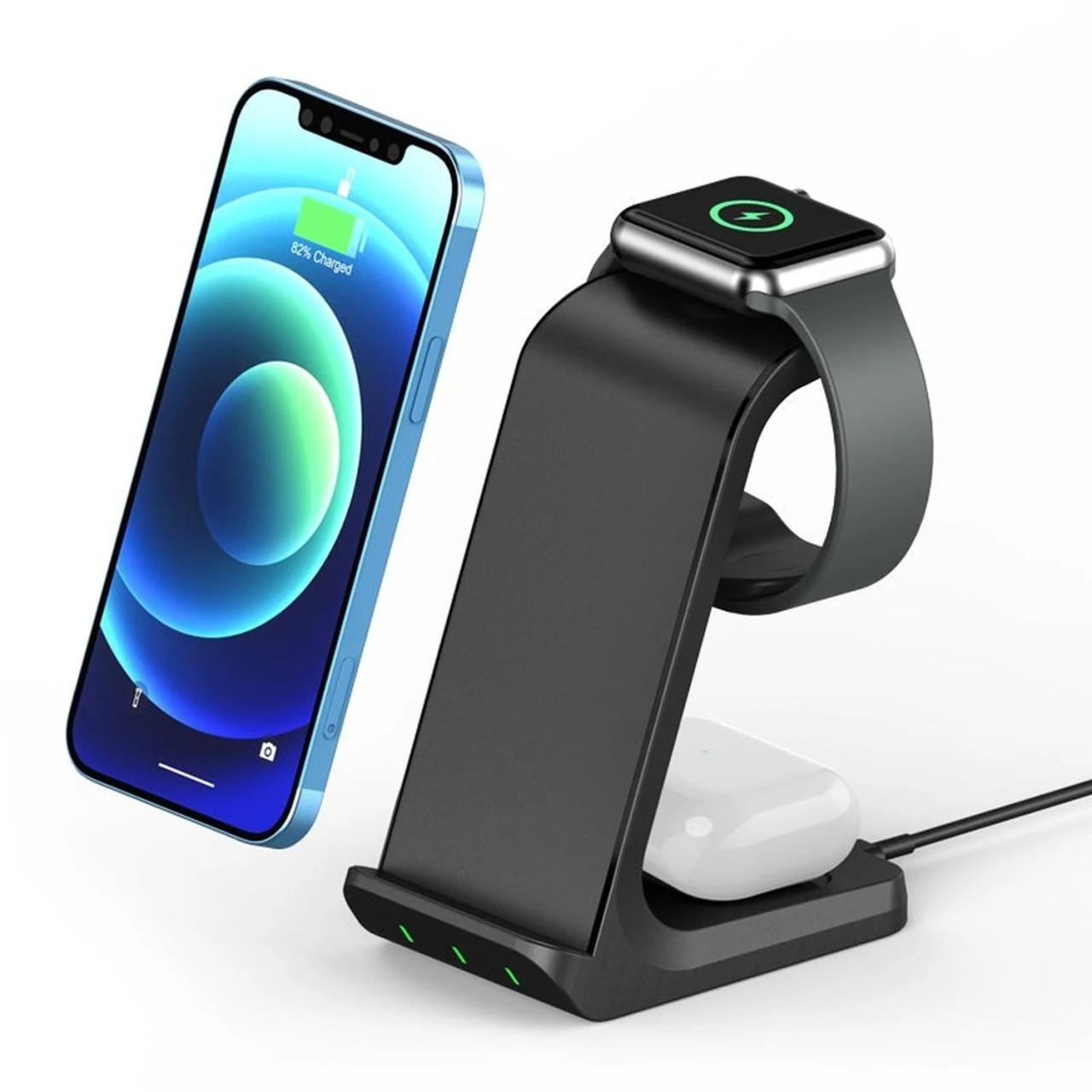
Wireless charging phone docks are revolutionizing the way we power up our devices. Imagine a world where you simply place your phone down, and it starts charging without the hassle of tangled cords. This innovative technology not only enhances convenience but also offers benefits like reducing wear and tear on charging ports and promoting a cleaner workspace.
At the heart of this technology lies the principle of electromagnetic induction, which allows energy to transfer from the dock to the device without direct contact. With various models available, from stylish stands to portable options, there’s a perfect dock for everyone looking to embrace this modern charging solution.
Overview of Wireless Charging Phone Docks
Wireless charging phone docks have revolutionized the way we power our devices. These innovative docks provide a convenient, cable-free way to charge your smartphone, allowing users to simply place their device on the dock to initiate charging. The functionality of these docks not only simplifies the charging process but also helps reduce wear and tear on charging ports, extending the lifespan of devices.Wireless charging technology relies on electromagnetic fields to transfer energy between the charger and the device.
It works through a process known as inductive charging, where a charging pad generates an alternating electromagnetic field that induces an electric current in the receiver coil located in the phone. Some popular models of wireless charging docks available today include the Anker Wireless Charger, Belkin Boost Up, and Samsung Wireless Charger Duo, each offering unique features for various user needs.
Types of Wireless Charging Phone Docks
There are several types of wireless charging docks, each designed to cater to different user preferences and lifestyles. These include stand-alone docks, multi-device chargers, and portable options, each with distinct advantages and disadvantages.
- Stand-alone docks: These are designed to charge a single device at a time. They are often compact and can be easily placed on desks or nightstands. However, they may not be suitable for users with multiple devices.
- Multi-device docks: These chargers can power several devices simultaneously, making them ideal for households with multiple smartphones, smartwatches, or earbuds. On the downside, they may take up more space and could be more expensive.
- Portable docks: Designed for on-the-go users, these lightweight and compact options can be easily carried and are perfect for travel. They might have slower charging speeds compared to their stationary counterparts.
| Dock Model | Type | Charging Speed | Price |
|---|---|---|---|
| Anker Wireless Charger | Stand-alone | 10W | $15.99 |
| Belkin Boost Up | Multi-device | 10W | $39.99 |
| Samsung Wireless Charger Duo | Multi-device | 12W | $49.99 |
| RavPower Portable Charger | Portable | 10W | $29.99 |
Features to Consider When Buying Wireless Charging Phone Docks
When selecting a wireless charging dock, it’s essential to assess various features that can significantly impact user experience. Important aspects include charging speed, device compatibility, and design aesthetics.Safety features are also crucial in ensuring that your device charges safely. Look for docks equipped with over-temperature protection and foreign object detection. This helps prevent overheating and damage to the device, ensuring a worry-free charging experience.
- Must-have features:
- Fast charging capability (at least 10W).
- Universal compatibility with various smartphone models.
- Safety features like over-temperature protection.
- Nice-to-have features:
- LED indicator lights for charging status.
- Built-in cooling fans for temperature control.
- Stylish designs that match home decor.
Maintenance and Care for Wireless Charging Docks
To ensure the longevity of your wireless charging dock, proper maintenance and care are essential. Regularly cleaning the dock to remove dust and debris can help maintain optimal charging performance.Cleaning can be done using a soft, lint-free cloth dampened with a mild cleaning solution. Avoid using harsh chemicals that could damage the dock’s surface. It’s also advisable to unplug the dock when not in use to prevent any potential issues.For troubleshooting common issues:
- Check the alignment of the phone on the dock.
- Ensure the dock is plugged into a working power source.
- Inspect the charging cable for any damage.
When it comes to cleaning products, opt for those labeled as safe for electronic devices, such as microfiber cloths and screen-safe cleaners.
Automotive Applications of Wireless Charging
The integration of wireless charging docks in vehicles provides exceptional convenience for drivers. Many car manufacturers have begun equipping their models with built-in wireless charging pads, allowing passengers to charge their devices effortlessly while on the road.Models like the Tesla Model 3, BMW 5 Series, and Ford Mustang Mach-E come with wireless charging capabilities, making it easier for users to stay connected without the hassle of cords.
- Benefits of using wireless charging in vehicles include:
- Elimination of clutter from charging cables.
- Easy access to charging while driving.
- Compatibility with a wide range of devices.
Trends in Wireless Charging Technology
Recent advancements in wireless charging technology have led to faster charging speeds and improved efficiency. Innovations such as resonant inductive charging and magnetic resonance technology promise to make charging even more seamless in the future.Looking ahead, potential applications of wireless charging extend beyond smartphones to include wearable technology, laptops, and even home appliances. Some smart home devices are already exploring wireless charging solutions to enhance user convenience.
| Upcoming Technology | Expected Impact |
|---|---|
| Resonant Inductive Charging | Allows charging multiple devices at varying distances. |
| Magnetic Resonance | Enhances efficiency and versatility of charging solutions. |
Environmental Impact of Wireless Charging
The shift towards wireless charging technology has several environmental benefits compared to traditional charging methods. Wireless charging can lead to decreased reliance on disposable charging cables, thereby reducing electronic waste.Additionally, the energy efficiency of wireless chargers can contribute to lower overall energy consumption. These devices are designed to minimize energy loss during the charging process, which is beneficial for the environment.
- Eco-friendly practices when using wireless charging devices include:
- Opting for chargers with energy-saving features.
- Recycling old charging docks and devices properly.
- Using energy-efficient power sources.
Wireless Charging in the Context of Automotive Buying and Selling
The inclusion of wireless charging docks can significantly influence buyers’ decisions when purchasing vehicles. Many consumers prioritize advanced technology features, and wireless charging is often seen as a desirable attribute.Auction platforms increasingly highlight vehicles equipped with modern conveniences like wireless charging. This helps sellers attract tech-savvy buyers who value such integrations.
| Feature | Auction Results (Sold Price) | Without Wireless Charging |
|---|---|---|
| With Wireless Charging | $30,000 | $28,500 |
Market Trends and Consumer Preferences for Wireless Charging Docks
Consumer preferences in the wireless charging dock market are diverse, with factors like design, brand loyalty, and price sensitivity playing significant roles. Many users gravitate towards brands they trust, while also seeking aesthetically pleasing designs that fit their lifestyle.Market trends indicate a growing acceptance of wireless charging technology across various demographics, driven by the increasing prevalence of compatible devices.
- Key market statistics include:
- Over 50% of smartphone users express interest in wireless charging solutions.
- The wireless charging market is expected to grow by 25% annually.
- Consumers prioritize charging speed and safety features when selecting charging docks.
Last Point
In conclusion, wireless charging phone docks are more than just a trend; they represent a significant step towards convenience and efficiency in our tech-driven lives. As technology continues to evolve, the integration of these docks into our daily routines will only grow, making them an indispensable accessory for modern smartphone users.
Essential FAQs
How long does it take to charge a phone with a wireless dock?
Charging times can vary based on the dock’s power output and the phone’s specifications, but generally, it takes about 2 to 3 hours for a full charge.
Are wireless charging docks compatible with all phone models?
Most wireless charging docks are compatible with devices that support Qi wireless charging, but it’s best to check your phone’s specifications.
Can I use my phone while it’s charging on the dock?
Yes, you can use your phone while it’s charging, although it may charge more slowly depending on the usage and dock type.
Is it safe to leave my phone on the dock overnight?
Yes, most modern wireless charging docks have built-in safety features to prevent overheating and overcharging.
What maintenance do wireless charging docks require?
Regularly clean the dock with a soft, dry cloth to prevent dust buildup, and ensure that the charging surface is free from obstructions.