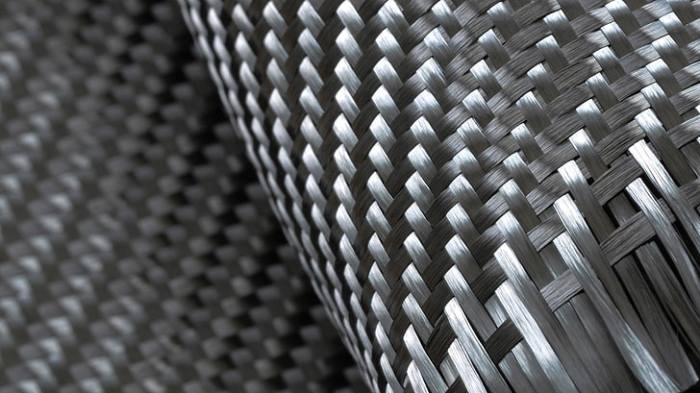
Carbon-fiber part retrofit kits are revolutionizing the automotive industry, delivering significant enhancements in performance and efficiency. These kits leverage the superior properties of carbon-fiber materials, offering a lightweight alternative that boosts vehicle dynamics while maintaining durability. As car enthusiasts and manufacturers alike embrace this trend, understanding the benefits and applications of these kits becomes essential for anyone looking to elevate their vehicle.
From sports cars to classic models, the versatility of carbon-fiber parts allows for extensive customization and improvement. Whether you are aiming for aesthetic appeal or performance upgrades, these retrofit kits present a compelling case for modern automotive applications.
Importance of Carbon-Fiber Part Retrofit Kits
Carbon-fiber materials have revolutionized the automotive industry by offering a perfect blend of strength and lightweight properties. These materials are not only robust but also significantly lighter than traditional metals, making them a game-changer in vehicle design and performance. The integration of carbon-fiber part retrofit kits into vehicles can lead to substantial improvements in performance and efficiency, ultimately benefiting both car enthusiasts and casual drivers.The adoption of carbon-fiber materials in automotive applications provides numerous advantages.
Vehicles fitted with carbon-fiber components experience enhanced fuel efficiency due to reduced weight, which translates into lower fuel consumption and emissions. Additionally, the rigidity of carbon-fiber parts improves vehicle handling and safety. Retrofit kits made from carbon-fiber materials also deliver long-term cost-effectiveness. While the initial investment might be higher than traditional materials, the durability and maintenance benefits often result in lower overall costs.
Types of Carbon-Fiber Part Retrofit Kits Available
When considering a retrofit, it’s essential to know the types of carbon-fiber parts currently available for automotive applications. A wide range of options caters to various vehicle models, ensuring that car owners can find suitable upgrades for their specific needs.
- Carbon-fiber hoods: These not only reduce weight but also enhance the vehicle’s aesthetic appeal.
- Carbon-fiber spoilers: Designed to improve aerodynamics, they contribute to better stability at high speeds.
- Carbon-fiber interior trim: Adds a luxurious touch to the car’s interior while reducing weight.
- Carbon-fiber bumpers: These provide protection and reduce weight, enhancing vehicle performance.
Different retrofit kits are available depending on the vehicle model, ranging from off-the-shelf options to fully customizable solutions. Custom kits allow for personalized designs, while off-the-shelf kits provide easier installation and cost savings for standard models.
Installation Process of Carbon-Fiber Retrofit Kits
Installing carbon-fiber parts can be a rewarding endeavor, but it requires a clear understanding of the process and necessary tools. The installation process generally follows these steps:
- Preparation: Gather tools such as screwdrivers, wrenches, and adhesive materials.
- Removal of old parts: Carefully detach existing components that will be replaced.
- Fitting the new carbon-fiber parts: Ensure proper alignment and fit.
- Securing the parts: Use the appropriate adhesives and fasteners to secure the new components.
- Final checks: Ensure everything is tightly fitted and conduct a test drive to assess performance.
Common challenges during installation include fitting issues or misalignment. A troubleshooting guide can help address these issues effectively. If parts do not align, double-check the specifications and seek adjustment options before proceeding.
Automotive Applications of Carbon-Fiber Retrofit Kits
Carbon-fiber retrofit kits benefit a wide range of vehicles, particularly those where performance and weight are critical. Sports cars, for example, experience remarkable enhancements in speed and agility due to the lightweight nature of carbon-fiber.In contrast, SUVs can also benefit from carbon-fiber components, particularly in terms of durability and aesthetics without compromising their structural integrity. Additionally, retrofitting classic cars with carbon-fiber parts has become increasingly popular, allowing enthusiasts to improve fuel efficiency while preserving the vehicle’s nostalgic appeal.
Comparison with Other Materials
When comparing carbon-fiber with traditional materials like aluminum and steel, there are significant distinctions in weight and durability. Carbon-fiber is lighter than both metals while also providing superior tensile strength. This makes it an ideal choice for performance-oriented vehicles.The environmental impact of carbon-fiber materials is also noteworthy. Manufacturing carbon-fiber may have a higher initial carbon footprint; however, its long lifespan and lower maintenance needs can mitigate this impact over time.
Using carbon-fiber aligns perfectly with the growing trends towards hybrid and energy-efficient vehicles.
Market Trends in Carbon-Fiber Retrofit Kits
The carbon-fiber parts market in the automotive sector has been experiencing notable growth, driven by increased demand for lightweight and high-performance components. Online auctions have emerged as a popular platform for buying and selling carbon-fiber retrofit kits, providing car enthusiasts with a wide variety of options.Key players in the market include established manufacturers and new entrants focusing on innovative designs.
Analyzing their product offerings reveals a competitive landscape, pushing advancements in technology and materials.
Car Detailing and Customization with Carbon-Fiber Parts
Beyond performance, carbon-fiber parts significantly enhance the aesthetic appeal of vehicles. The sleek finish and the potential for custom designs make carbon-fiber an attractive option for car detailing and customization.Customization options are vast, ranging from full carbon-fiber body kits to detailed interior accents. High-end projects often showcase carbon-fiber in unique and eye-catching designs, appealing to luxury car owners who desire distinction.
Impact on Automotive Repairs
Utilizing carbon-fiber parts can change the dynamics of the repair process for vehicles. While they are durable, certain challenges exist, particularly related to the techniques required for repair or replacement.Repair shops may face difficulties working with carbon-fiber due to its unique properties, which require specialized knowledge and tools. Adopting best practices for maintenance, such as regular inspections and correct cleaning methods, can ensure the longevity of carbon-fiber components.
Future of Carbon-Fiber in the Automotive Industry
The future of carbon-fiber in the automotive industry is promising, with ongoing advancements in manufacturing technologies. Innovations are likely to focus on creating even lighter and more affordable carbon-fiber materials, suitable for electric and hybrid vehicles.As demand for carbon-fiber parts continues to rise, they will play a significant role in automotive customization and repair sectors, catering to a market that increasingly prioritizes performance and sustainability.
Final Thoughts
In summary, carbon-fiber part retrofit kits offer an exciting pathway to enhance vehicle performance while also contributing to a more sustainable automotive future. As technology continues to evolve, the demand for these lightweight and durable materials will only grow. Whether for everyday driving or high-performance racing, embracing carbon-fiber parts can lead to remarkable improvements, making them a smart choice for any vehicle owner.
Popular Questions
What are the main benefits of using carbon-fiber parts?
Carbon-fiber parts are lighter, stronger, and more durable than traditional materials, improving vehicle performance and fuel efficiency.
Can I install a carbon-fiber retrofit kit myself?
Yes, many kits are designed for DIY installation, but it’s essential to follow the manufacturer’s instructions and have the right tools.
Are carbon-fiber parts more expensive than traditional materials?
While the initial cost may be higher, carbon-fiber parts often prove to be cost-effective in the long run due to their durability and performance benefits.
What types of vehicles can benefit from carbon-fiber retrofitting?
Sports cars, classic cars, and even some SUVs can significantly benefit from carbon-fiber retrofitting, enhancing both performance and aesthetics.
How do carbon-fiber parts affect vehicle repairs?
Using carbon-fiber parts can complicate repairs due to their unique properties, but they also improve longevity and reduce the frequency of repairs needed.