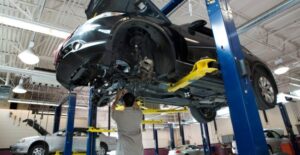
As AI diagnostic car scanners take center stage in the automotive world, they offer a blend of advanced technology and practicality that is transforming how we understand vehicle health. These innovative tools not only provide deeper insights into car issues but also streamline the repair process and enhance user experience.
By utilizing artificial intelligence, these scanners can analyze vast amounts of data quickly and accurately, making them superior to traditional diagnostic tools. With AI at the helm, mechanics and enthusiasts alike are equipped to tackle increasingly complex automotive challenges, paving the way for smarter repairs and maintenance.
Understanding AI Diagnostic Car Scanners
AI diagnostic car scanners are revolutionizing the way we approach vehicle diagnostics. These advanced tools leverage artificial intelligence to analyze vehicle data, providing deeper insights and faster results compared to traditional methods. With their ability to interpret complex data patterns, AI diagnostic scanners are making automotive maintenance and repair more efficient and effective.The technology behind these scanners involves sophisticated algorithms that can analyze information from a vehicle’s onboard computer systems.
Unlike traditional diagnostic tools, which may only read error codes, AI scanners interpret data in real-time, allowing for a more comprehensive view of a vehicle’s health. This enables technicians to identify potential issues before they become significant problems.
Comparison of AI Diagnostic Scanners versus Traditional Tools
When comparing AI diagnostic scanners to traditional diagnostic tools, several key differences become apparent:
- Data Analysis: AI scanners utilize machine learning algorithms to analyze a wide range of data, while traditional tools often rely on basic code reading.
- Speed: AI diagnostic tools can assess and provide insights almost instantly, whereas conventional tools may take longer to analyze data.
- User Experience: Many AI scanners come with user-friendly interfaces and mobile applications, making them accessible to both professionals and enthusiasts.
The advantages of utilizing AI technology in vehicle diagnostics are numerous. Firstly, enhanced accuracy leads to better diagnosis, which in turn reduces the chances of misdiagnosis. Moreover, the predictive capabilities of AI tools allow for proactive maintenance, saving time and money for both mechanics and vehicle owners.
Features of AI Diagnostic Car Scanners
AI diagnostic car scanners stand out due to their unique features that enhance the overall user experience. These features include advanced data interpretation, real-time diagnostics, and integration with mobile applications for on-the-go analysis.
Key Features That Distinguish AI Diagnostic Car Scanners
The distinguishing features of AI diagnostic car scanners provide significant advantages over conventional options:
- Real-time Data Insights: AI scanners deliver immediate feedback and diagnostic information, allowing for quick decision-making.
- Comprehensive Vehicle Coverage: They can often diagnose a wider range of vehicles, including hybrids and electric cars, compared to traditional scanners.
- Cloud Connectivity: Many AI diagnostic tools can connect to the cloud for software updates and data sharing, keeping the device up-to-date.
A few notable models in the market include the BlueDriver, which boasts advanced diagnostics features via a smartphone app, and the Autel Maxisys, known for its extensive vehicle coverage and professional-grade capabilities.
Applications in Automotive Repairs
AI diagnostic car scanners are transforming the repair process in automotive workshops. By providing accurate and timely diagnostics, these tools help streamline workflows and improve repair outcomes.
Streamlining the Repair Process
In automotive workshops, the integration of AI diagnostic scanners leads to more efficient operations. Key applications include:
- Quick Diagnostics: Technicians can quickly identify issues, reducing the time spent on tests and checks.
- Enhanced Communication: Detailed reports generated by AI scanners facilitate better communication between technicians and customers.
- Improved Repair Accuracy: With precise diagnostics, the chances of unnecessary repairs are minimized, leading to cost savings.
Real-world case studies demonstrate the effectiveness of AI scanners. For instance, a workshop that adopted AI diagnostic technology reported a 30% reduction in diagnostic time and a significant increase in customer satisfaction.
Integration with Hybrid and Electric Vehicles
AI diagnostic scanners are specifically designed to cater to the needs of hybrid and energy-efficient vehicles, addressing the unique challenges they present.
Tailored Diagnostic Solutions for Hybrid Vehicles
Hybrid vehicles often have complex systems that require specialized diagnostics. AI scan tools are equipped to handle these complexities, addressing issues such as:
- Battery Management: AI scanners can monitor and diagnose battery health, crucial for hybrid vehicle performance.
- System Interference: They effectively diagnose interactions between electric and internal combustion systems.
- Fault Detection: AI can quickly identify faults in both electrical and mechanical systems, which is essential for hybrids.
As the electric vehicle market continues to grow, the potential for AI diagnostics expands, paving the way for innovations that could redefine automotive maintenance.
Impact on Automotive Buying and Selling
AI diagnostic car scanners are influencing the buying and selling process of vehicles significantly, especially in auctions and used car markets.
Role in Vehicle Inspections
Before a vehicle is sold, AI diagnostic scanners play a critical role in vehicle inspections, providing potential buyers with essential information about a car’s condition:
- Transparency: Buyers receive detailed diagnostics reports, ensuring transparency in the selling process.
- Informed Decisions: Access to comprehensive data helps buyers make educated choices based on vehicle health.
- Negotiation Power: Buyers armed with diagnostic data can negotiate better deals.
Examples of how AI diagnostics assist buyers include cases where potential problems were identified before a purchase, leading to significant savings or the avoidance of bad investments.
Enhancing Car Detailing and Customization

AI diagnostic tools also offer significant benefits in car detailing and customization processes, making them valuable assets for automotive service providers.
Benefits in Detailing and Customization
These tools can help identify areas requiring attention, leading to enhanced vehicle aesthetics and performance:
- Precision: AI diagnostics can pinpoint specific imperfections that need detailing attention, increasing overall quality.
- User Preferences: They can analyze user data to suggest customizations that align with individual preferences.
- Efficiency: Streamlined processes allow detailers to focus on high-impact areas, improving turnaround times.
The integration of AI diagnostics into customization ensures that modifications are tailored to enhance both functionality and style.
Mobile Applications of AI Diagnostic Scanners
The evolution of mobile applications related to AI diagnostic car scanners is transforming how diagnostics are conducted in various settings.
Advantages of Portable Scanners
Portable scanners provide several advantages for on-the-go diagnostics, making vehicle maintenance more accessible:
- Convenience: Technicians can perform diagnostics anywhere, enhancing service flexibility.
- Instant Data Access: Mobile apps allow for immediate access to vehicle data, facilitating quick decision-making.
- User-Friendly Interfaces: Many applications provide intuitive interfaces, making them easy to use for both experts and novices.
Successful mobile diagnostic solutions, like FIXD and Carista, demonstrate how portability and advanced features can improve user experiences dramatically.
Trends in Automotive Technology
The landscape of automotive technology is ever-evolving, with AI diagnostic car scanners at the forefront of these changes.
Latest Trends Shaping Vehicle Diagnostics
Several trends are currently influencing AI diagnostic car scanners in the automotive industry:
- Increased Automation: The move towards automated diagnostics is streamlining both repair and manufacturing processes.
- Integration with IoT: AI diagnostic tools are increasingly connected to the Internet of Things, allowing for enhanced data sharing and analysis.
- Focus on User Experience: Ongoing enhancements in user interfaces and mobile compatibility are making diagnostics more user-friendly.
Predictions suggest that these trends will drive advancements in AI diagnostics, potentially leading to fully automated automotive maintenance solutions in the near future.
The Role of AI in Automotive Motorcycles and Trucks
AI diagnostic scanners are also applicable in diagnosing motorcycles and trucks, each presenting unique challenges.
Applications in Motorcycles versus Trucks
While both motorcycles and trucks benefit from AI diagnostics, their applications differ due to the distinct nature of the vehicles:
- Motorcycles: AI scanners tackle issues related to engine tuning and electrical systems, which can be complex in smaller vehicles.
- Trucks: For larger vehicles, AI diagnostics focus on heavy-duty systems and can manage multiple sub-systems simultaneously.
- Specific Challenges: Each type of vehicle presents unique diagnostic challenges, which AI tools are increasingly equipped to handle efficiently.
The integration of AI diagnostics in motorcycles and trucks enhances maintenance protocols, ensuring safety and reliability on the road.
Future Innovations in AI Diagnostic Technology
The future of AI diagnostic tools for cars holds significant promise with potential innovations on the horizon.
Exploring Potential Innovations
As technology advances, several innovations may emerge in AI diagnostic tools:
- Predictive Maintenance: Future tools may incorporate advanced predictive analytics to foresee potential issues before they arise.
- Enhanced Integration: Greater integration with vehicle systems could lead to real-time diagnostics and automated repairs.
- Expanded Data Usage: Utilizing big data could refine diagnostics and personalize vehicle maintenance strategies.
The implications of these advancements on the automotive service industry are profound, potentially reshaping how vehicles are maintained and repaired. Research and development will continue to focus on enhancing the capabilities of AI diagnostic scanners, ensuring they remain an essential tool in modern automotive care.
Summary
In summary, AI diagnostic car scanners represent a significant leap forward in automotive technology that not only simplifies diagnostics but also empowers users to make informed decisions about their vehicles. As the technology continues to evolve, it promises to further revolutionize the automotive industry, enhancing both the buying experience and the ongoing care of our cars.
Frequently Asked Questions
What are AI diagnostic car scanners?
AI diagnostic car scanners are advanced tools that utilize artificial intelligence to diagnose vehicle issues more efficiently than traditional scanners.
How do AI diagnostic car scanners work?
They analyze data from various vehicle sensors to identify problems, often providing detailed insights and suggestions for repairs.
Are AI diagnostic scanners user-friendly?
Yes, many AI diagnostic scanners are designed with intuitive interfaces, making them accessible for both professionals and DIY enthusiasts.
Can AI diagnostic scanners be used on electric vehicles?
Absolutely, AI diagnostic scanners are tailored to work with hybrid and electric vehicles, addressing their unique diagnostic challenges.
Will AI diagnostic scanners replace traditional mechanics?
No, they are designed to complement the skills of mechanics by providing detailed diagnostics that inform repair decisions.